
What is a Forensic Interview?
A forensic interview is a neutral information-gathering interview conducted by a trained professional. Forensic interviews are the foundation for child abuse investigations, child protection, and the implementation of appropriate services. The interviewer is specially trained to gather information while taking into account the victim’s emotional needs and developmental level. The forensic interview gathers as much information as possible in an unbiased, non-threatening, non-leading, and child friendly manner. The interview room is a safe place for children to talk about anything without any judgment or assumptions. The interview is conducted by a skilled forensic interviewer who has been trained to interview children in a manner that increases the child’s comfort and reduces the child’s feelings of shame and guilt. Utilizing a CAC and MDT approach reduces the number of times a child needs to be interviewed, thus reducing additional trauma. Only the investigating MDT is able to observe the forensic interview.
Who is the MDT?
The Multi-Disciplinary Team (MDT) is the team involved with the child and family when there is an allegation of abuse, neglect, or the child witnesses a crime. The MDT consists of prosecutors, law enforcement, Department of Child Services, victim advocates, mental and medical health providers, and the forensic interviewer. The MDT uses collaboration and teamwork to investigate the allegation and provide services to the child and caregiver. Members of the investigative team are the only ones able to observe the forensic interview.
When you arrive
Feel free to park along 5th Street in front of the building or in the parking lot on the mural side of the building. You will enter the building at the front, along 5th Street, through door 1.
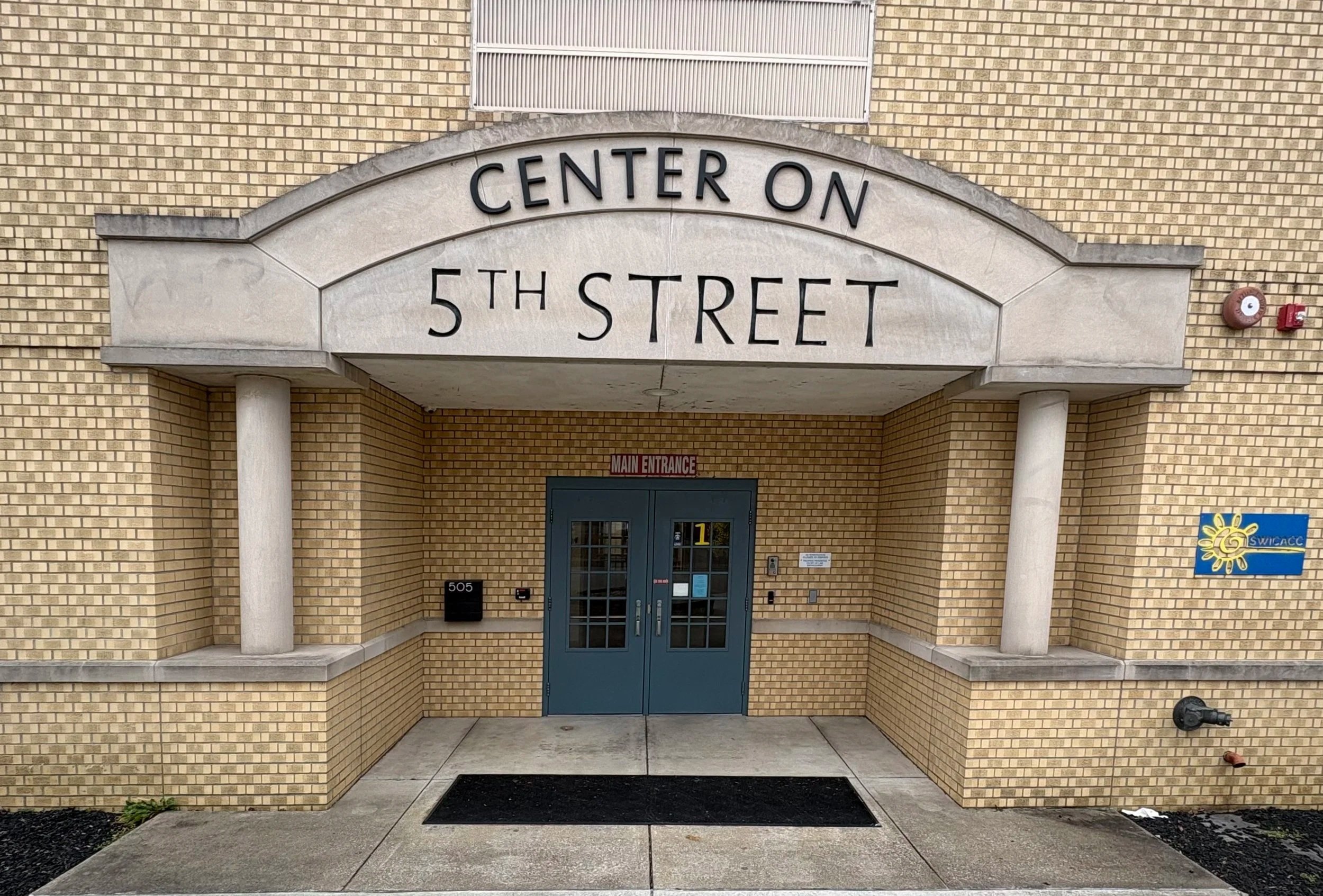
When you ring the bell, a SWICACC staff member will greet you, do introductions, and show you to a family waiting room.
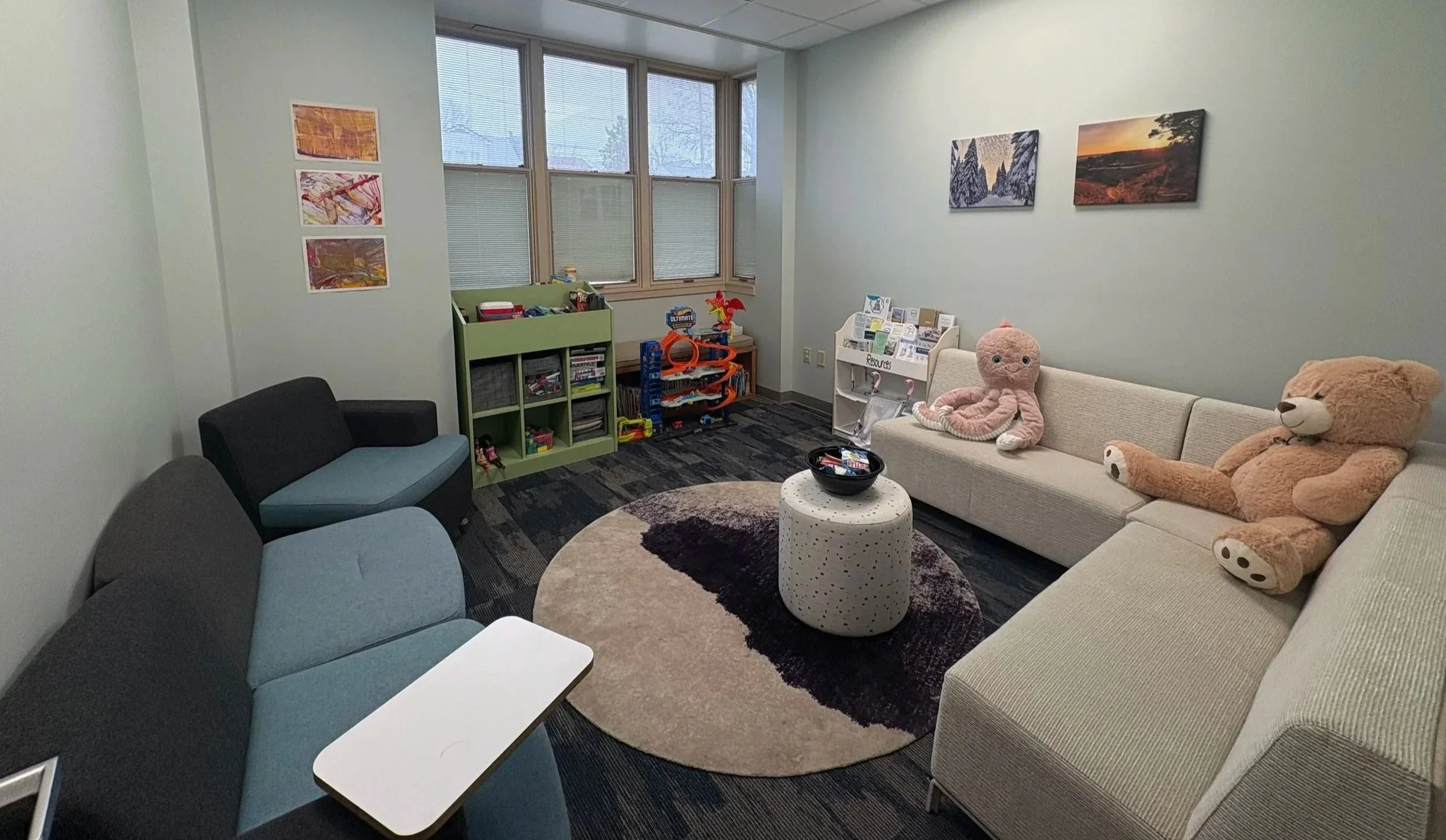
Once the MDT is ready, your child will talk with the forensic interviewer in the interview room. Only the child and the forensic interviewer are allowed in the interview room. A victim advocate may stay with you and discuss the process, resources, and provide support. Caregiver forms will be provided to you. Completing the paperwork assists SWICACC in improving services for the communities we serve. All information will remain confidential. A member of the MDT will meet with you after the forensic interview. They will inform you in general terms what may happen next.

How can I support my child?
Provide safety, love, and support. Let them know it is okay to cry or be mad. Make sure your child understands it is not his or her fault. Don’t coach or pressure your child to talk about things, but tell them it is okay to talk about anything as long as it is real.
If your child brings up the allegation to you, let them know that what they have to say is very important, and you will be taking them to a place to talk with someone whose job is to listen. As the child’s caregiver, it is natural to want to ask your child questions about the allegation; please try to refrain. Sometimes it can be more difficult to talk to a caregiver because the child may worry about making you upset, disappointing you, and such. Please do, however, listen to your child if they want to talk.
Please DO
Tell your child that you are visiting the CAC, and the child will be talking to a person whose job it is to talk with people.
Give your child permission to talk to the interviewers about anything and everything.
Tell your child it is a safe place to talk, even if they have never told you.
Tell your child they are not in any trouble.
Tell them they are safe and the CAC staff are there to help them.
Some things you can say:
“I believe you.”
“I know it’s not your fault.”
“I am glad I know about it.”
“I am sorry this happened to you.”
“I will take care of you.”
“I am not sure what will happen next.”
“Thank you for telling me.”
“I am upset, but not with you.”
“Nothing about you made this happen.”
“It has happened to other children, too.”
“I don’t need you to take care of me.”
Please DON’T
Ask your child questions about the allegations.
Tell your child what to say.
Promise treats or rewards to your child for talking/not talking.
Try to answer questions you don’t have answers for.